

Our conscious efforts to be a responsible corporate citizen contribute to the betterment of the society in numerous ways. Our CSR initiatives are an integral part of our corporate belief system and are as important to us as our business.
Some of our undertakings include:
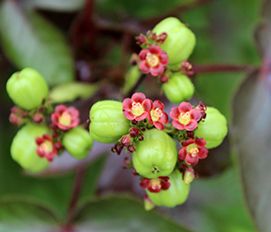
Massive plantations of Jetropha. Its seeds are used for production of eco-friendly bio diesel. This reduces our dependence on fossil fuels and helps the environment by way of reduced greenhouse gases and emissions.
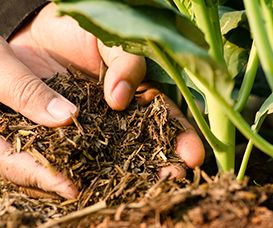
Organic manure production, branded SAMRIDDHI. This vermi compost is made from the residue of the treated distillery effluents. Its eco-friendly, user-friendly, and cheaper to use as compared to chemical fertilizers.
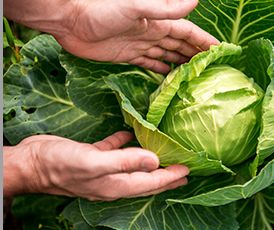
Organising farmer meets to promote the art of organic farming for a healthier environment and healthier food.
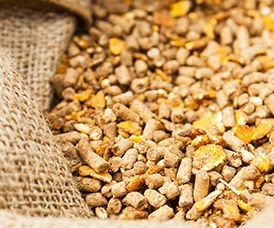
Distributing spent grains generated while processing grains. This has a great demand in the cattle feed sector as it increases the milk producing capacity in cattle that regularly consume it.
AABL's CSR activities include: development and maintenance of a green belt and bird-friendly ecology around its plant; large-scale plantation of Jatropha (whose seeds are used for eco-friendly biodiesel production); production of organic manure branded SAMRIDDHI (a vermi-compost made from treated distillery effluent residue); organising farmer education meets to promote organic farming; and distributing spent grains as cattle feed, which improves milk production capacity in cattle.
AABL organises farmer education meets that promote organic farming practices for a healthier environment and food chain. The company also distributes spent grains a by-product of grain distillation as cattle feed, which boosts milk production in dairy cattle. This directly benefits the farming communities around AABL's Madhya Pradesh facility.
AABL has undertaken large-scale plantations of Jatropha around its facility. Jatropha seeds are a source of eco-friendly biodiesel, reducing dependence on fossil fuels and lowering greenhouse gas emissions. This initiative aligns with both AABL's environmental commitments and the national push for renewable energy sources.
AABL's CSR activities are an extension of its operational philosophy the same grain-based, zero-waste distillery model that creates business value (through by-product monetisation and energy savings) also forms the foundation of its social and environmental contributions. Spent grains become cattle feed, treated effluents become organic compost, and Jatropha plantations reduce fossil fuel use each initiative is both socially valuable and operationally integrated.
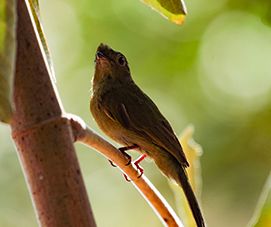
AABL develops and maintains a green belt and bird-friendly ecology in and around its plant premises. This includes landscaping, native plant cultivation, and habitat creation for local bird species. The initiative protects local biodiversity while improving the environmental aesthetics of AABL's industrial footprint and contributing positively to the local community.
Yes. AABL's CSR activities are aligned with Schedule VII of the Companies Act, 2013 and governed by the company's board-approved CSR Policy. All CSR expenditure and activities are disclosed in the company's annual report as required under statutory regulations, providing full transparency to shareholders and stakeholders.
Yes. AABL's CSR activities are aligned with Schedule VII of the Companies Act, 2013 and governed by the company's board-approved CSR Policy. All CSR expenditure and activities are disclosed in the company's annual report as required under statutory regulations, providing full transparency to shareholders and stakeholders.
AABL's CSR programmes benefit local communities in several ways: farmer education meets improve agricultural knowledge and income; SAMRIDDHI organic compost offers affordable soil enrichment; spent grain distribution supports dairy farmers' milk production; green belt development improves local ecology; and Jatropha plantations create a potential livelihood avenue through biodiesel feedstock supply.
AABL's CSR activities directly strengthen its ESG (Environmental, Social, and Governance) profile: Environmental zero discharge, green belt, biodiesel plantations; Social farmer education, cattle feed distribution, organic farming promotion; Governance Companies Act-compliant CSR policy, board-level oversight, transparent annual disclosures. For ESG-focused institutional investors, AABL's integrated CSR model is a meaningful differentiator in India's alcobev investment universe.
CRAFTING SPIRITS SINCE 1989
India's leading IMFL spirits and liquor manufacturer crafting premium whisky, vodka, gin and ENA with world-class distillery infrastructure.
NEWS & MORE
GET IN TOUCH
Corporate Office & Distillery, India info@aabl.in
21+
Please drink responsibly: This website is intended for individuals of legal drinking age. AABL does not encourage or promote irresponsible or excessive consumption of alcohol
2026 Associated Alcohols & Breweries Limited. All rights reserved
Code_of_Conduct_Board & Senior_Managment Personal Download
Composition Committees Download
Criteria of Making Payment to Non-Executive Directors Download
Familiarzation ProgrammesDownload
Policy on Dealing with Related Party TransactionDownload
Policy on Material SubsidiaryDownload
Terms & Conditions Appointment Independent DirectorDownload
Vigil Mechanism Whistle Blower PolicyDownload
Terms & Conditions of Appointment of Independent Director Download
Familiarzation Programmes Download
Policy on Materiality-Dealing with Related Party Download
Policy on Material Subsidiary Download
Corporate Profile _Board of Directors Download
Unaudited_Finanical_Results_June_2016 Download
Unaudited_Finanical_Results_Sep_2016 Download
Unaudited_Finanical_Results_Dec_2016 Download
Audited_Financial_Results_March_2017 Download
Unaudited_Financial_Results_June_2017 Download
Unaudited_Financial_Results_Sept_2017 Download
Unaudited_Financial_Results_Dec_2017 Download
Audited_Financial_Results_March_2018 Download
Shareholding Pattern_June 2015 – Download
Shareholding Pattern_Sep 2015 – Download
Shareholding Pattern_Mar 2016 – Download
Shareholding Pattern_June 2016 – Download
Shareholding Pattern_Sep 2016 – Download
Shareholding Pattern_Dec 2016 – Download
Shareholding Pattern_Mar 2017 – Download