
Green Us

green

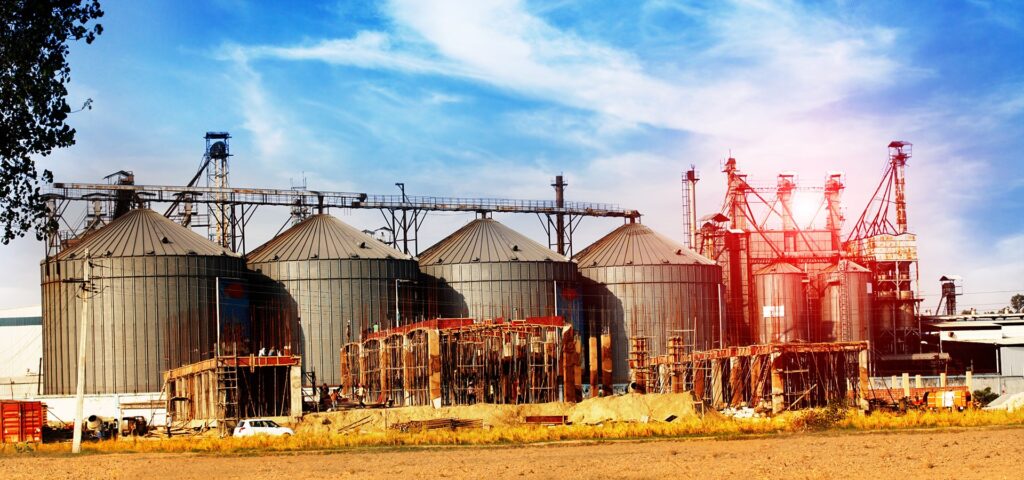
AABL’s manufacturing set up stands for sustainable growth with 5-pronged strategy

Double the production capacity

Double the production capacity

Double the production capacity

Graduate from regional to pan-India presence

Double the production capacity

Scale extra-neutral alcohol supply volumes for existing clients

Scale extra-neutral alcohol supply volumes for existing clients

Double the production capacity

Our edge over our competitors

Quality

Grain-based process

Flexibility

Grain-based processes enhance feed flexibility resulting in higher yields

Cleanliness

Our plant can run across the year without effluents discharge

Dimensional

We monetize residue byproduct from manufacturing process

Resource

Grain-based process consumes less water, power, and steam

FAQs

AABL follows a 5-pronged sustainable growth strategy. Its grain-based manufacturing process allows the plant to operate year-round with zero effluent discharge. The company also monetises residue by-products from the manufacturing process, uses less water, power, and steam compared to molasses-based distilleries, and is actively working towards complete energy self-sufficiency.

AABL's plant is designed to produce zero effluent discharge, meaning no liquid waste is released into the environment. Residues and by-products from the distillation process are monetised for example, spent grains are repurposed as high-value cattle feed, and treated effluent residues are converted into organic compost (SAMRIDDHI vermi-compost).

AABL's grain-based process offers several advantages: superior ENA quality and purity, greater feed flexibility and higher yields, the ability to run the plant throughout the year without effluents discharge, lower consumption of water, power, and steam, and the generation of by-products (like spent grains and distillers dried grains) that have commercial value in the cattle feed industry.

AABL's sustainable growth strategy has five pillars: doubling production capacity; accelerating the launch of proprietary brands; graduating from a regional to a pan-India presence; scaling Extra Neutral Alcohol supply volumes for existing clients; and achieving complete self-sufficiency in power availability through turbines and solar energy.

AABL's zero-waste, grain-based operations translate directly into financial benefits: lower input costs, year-round plant operation without seasonal shutdowns, additional revenue from by-product monetisation, reduced regulatory risk from effluent compliance, and growing ESG credentials that are increasingly valued by institutional investors.

AABL has a progressive renewable energy strategy: in 2016-17, 60% of electricity was generated through a high-pressure turbine powered by the distillery's own process, with the remainder from solar energy and the grid. Expansion plans target complete power self-sufficiency, which will moderate electricity costs and enable energy-intensive operations like cattle feed manufacturing.

AABL's competitive sustainability advantages are: a grain-based process that can run year-round without effluents (unlike molasses plants); higher ENA quality leading to premium pricing; full by-product monetisation; lower water and energy intensity per litre of alcohol produced; and a growing ESG reputation that differentiates AABL from most Indian distillers who still rely on molasses.

Yes. As part of its CSR commitments, AABL develops and maintains a green belt and bird-friendly ecology in and around its Indore plant. Large-scale Jatropha plantations have also been undertaken, providing seeds for eco-friendly biodiesel production. These initiatives reduce the company's carbon footprint and contribute positively to the local ecosystem.

Among listed Indian distillery companies, AABL's grain-based, zero-discharge operations place it at the progressive end of the sustainability spectrum. Most Indian distilleries still use molasses-based processes which generate significant effluent. AABL's zero liquid discharge certification and full by-product monetisation model are relatively rare in the Indian spirits industry and represent a genuine point of differentiation for ESG-conscious investors.

Age Verification

You must be at least 21 years old to enter this website. Please verify your age.

Sorry! You must be at least 21 years old to access this website.